

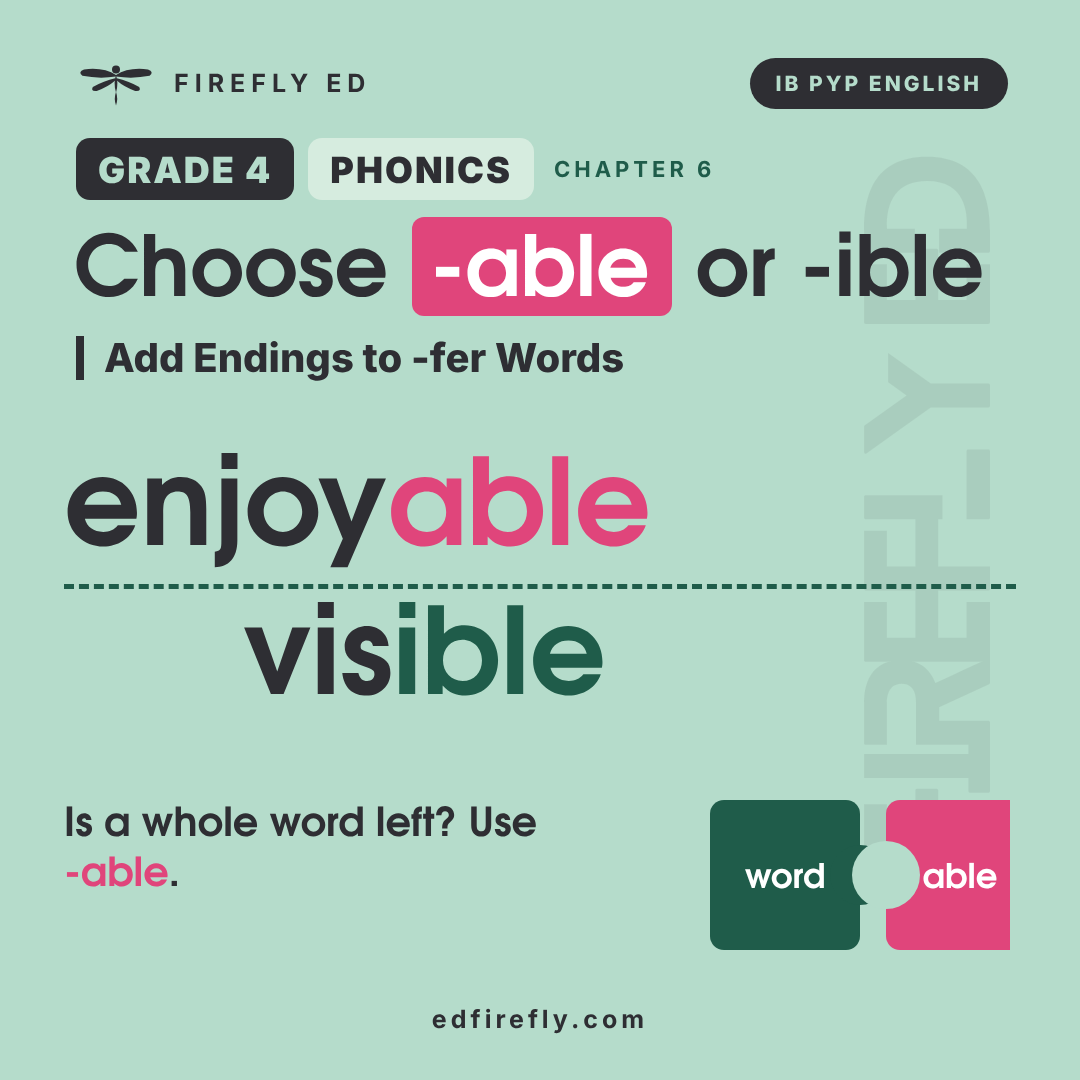
Term 2 | Level 2 | Phonics focus: word endings: -ant, -ance, -ancy, -ent, -ence and -ency
Chapter 5 – Choosing and Leading | Chapters – Index
Lessons
This page has the two reading lessons of Chapter 5, Choosing and Leading: Lessons 5.1 and 5.2. The chapter page has the chapter overview, the chapter review and the PDF download.
Tap a lesson to open it. Tap the lesson title again, or use the link at the end of the lesson, to close it.
Lesson 5.1: Vote for Me! A Story of a Class Election | Reading | About 20 minutes
Term 2 | Level 2
Goal
“I can describe a character in depth, using what the character thinks, says and does.”
Words to know
character, trait, candidate, election, evidence, in depth
Wonder
Think about this question before you start. Say your ideas. You will come back to it at the end of the lesson.
What makes someone a good leader: being popular, being loud, or something else?
Let’s Learn
A character trait is a word that describes what a character is like inside, such as brave, shy, kind or determined. Authors do not always tell us the traits. Instead, they show us through:
thoughts (what the character thinks), words (what the character says), actions (what the character does), and what other characters do or say about them.
Vote for Me!
When Mr Hill announced that Class 4 would elect a class representative, Leo’s hand shot up first. “I’ll do it!” he said. Everyone laughed, because Leo was the fastest runner, the loudest singer and the best at telling jokes.
Priya did not put her hand up. She was thinking about the water fountain in the playground, which had been broken for weeks. Somebody should fix that, she thought. Somebody should ask. Slowly, she raised her hand. “I would like to stand too,” she said quietly.
Leo grinned at her. “Good luck!” he said, and he meant it.
That week, Leo made a big poster with a cartoon of himself and the words LEO IS THE BEST! Priya made a small notebook instead. At break, she walked around the playground and asked one question: “What would make school better for you?”
Ama said the fountain. Tomás said more shade, because the benches got too hot. Lin, who used a wheelchair, said that the ramp to the library was too steep to push up alone. Priya wrote every answer down. Some children laughed at her notebook, and her cheeks went hot, but she kept asking.
On Friday, the two candidates gave their speeches. Leo went first. He made everyone laugh with a joke about the school dinner, and he promised a talent show every month. The class clapped and cheered.
Then it was Priya’s turn. Her knees were shaking, and her voice came out as a whisper. Mr Hill smiled at her and nodded. She took a deep breath and opened her notebook.
“I asked 22 of you what would make school better,” she said, a little louder now. “Nine of you said the water fountain. Six said shade for the benches. And Lin told me the library ramp is too steep.” She looked up. “If you choose me, I will take your ideas to the school council, and I will tell you every week what they say. I won’t promise things I can’t do. But I will listen, and I will ask.”
The room was quiet. Then Lin began to clap, and slowly the others joined in.
The class voted on folded slips of paper and dropped them into a shoebox. Mr Hill counted them aloud. Leo had 11 votes. Priya had 15.
Leo was the first to shake her hand. “Your speech was better than my joke,” he said, laughing. “Can I help with the talent show idea anyway?”
“Of course,” said Priya. “That can be number four on the list.”
A month later, the fountain was working again. The ramp had a new handrail. And on the last Friday of the month, Leo hosted the first Class 4 talent show.
See How It’s Done
Now Try It
1. Find one action that shows Leo is a good sport.
__________________________________________________________________
2. What does Priya think when she sees the broken fountain?
__________________________________________________________________
Time To Practise
Name: ______________________
1. Thoughts, words and actions.
Find one more piece of evidence about Priya for each box.
Thoughts: ________________________________________________________
Words: __________________________________________________________
Actions: _________________________________________________________
2. Choose the trait.
Circle the best trait for each piece of evidence.
a) “Good luck!” Leo said, and he meant it. friendly / jealous / bossy
b) Priya wrote every answer down. careless / careful / lazy
c) “I will tell you every week what they say.” honest / unkind / silly
3. How does Priya change?
How is Priya different at the end of her speech from the start? Use evidence.
__________________________________________________________________
__________________________________________________________________
4. Why did Priya win?
Leo was more popular. Why do you think more children voted for Priya? Give two reasons from the story.
__________________________________________________________________
5. Compare the candidates.
Write one way Leo and Priya are alike, and one way they are different.
Alike: ________________________________ Different: ________________________________
Reflect
Think about these questions. Talk about them with someone at home or at school.
1. Go back to the Wonder question: “What makes someone a good leader: being popular, being loud, or something else?” What do you think now?
2. I was principled today when I ______________________________.
Being principled means being fair and honest and doing the right thing. For example: I was principled today when I noticed that Priya made only promises she could keep.
Take action: Ask three people in your family or class what would make your school or home better. Write down their answers, like Priya.
Next Steps
If this was easy, try: Rewrite one part of the story from Leo’s point of view. Show his thoughts, words and actions.
If this was hard, go back to: Let’s Learn. Read one paragraph at a time and say one thing Priya thinks, says or does in it.
Notes for Parents and Teachers
Show notes for parents and teachers
These notes cover this lesson only. How every lesson runs is explained in How to Use This Material.
Let’s Learn
Then read the story together.
Answer Key
Reveal Answers
Now Try It
1. Any one of: he says “Good luck!” and means it; he is the first to shake her hand; he says her speech was better; he offers to help. 2. Somebody should fix that. Somebody should ask.
1. Thoughts, words and actions
Answers will vary. Examples: Words: “I would like to stand too.” “I will listen, and I will ask.” Actions: she raises her hand slowly; she takes a deep breath and opens her notebook; she adds Leo’s idea to her list.
2. Choose the trait
a) friendly b) careful c) honest
3. How does Priya change?
Sample answer: At the start, her knees are shaking and her voice is a whisper. By the end, she speaks louder and looks up at the class, so she is more confident.
4. Why did Priya win?
Any two of: she asked the class what they wanted; she used real numbers from her survey; she made promises she could keep; she cared about Lin and the ramp.
5. Compare the candidates
Sample answer: Alike: both want to make school better. Different: Leo makes people laugh and promises fun, while Priya listens and promises to ask the council.
Reflect
2. Any real moment from the lesson that shows the learner was principled. Examples: “I was principled today when I noticed that Priya made only promises she could keep.” “I was principled today when I explained why honesty matters in a leader.”
Lesson 5.2: Why Do We Vote? Reasons and Evidence | Reading | About 20 minutes
Term 2 | Level 2
Goal
“I can explain how an author uses reasons and evidence to support a point in a text.”
Words to know
point, reason, evidence, ballot, secret ballot, citizen
Wonder
Think about this question before you start. Say your ideas. You will come back to it at the end of the lesson.
Is voting always the fairest way for a group to choose? When might it not be?
Let’s Learn
Some information texts try to show you that something is true or important. The author makes a point, then gives reasons, and backs up each reason with evidence, such as examples, facts and dates.
Clue words help you find the reasons: The first reason… The second reason… For example… For instance… In conclusion…
Why Do We Vote?
Every day, groups of people have to make choices together. A class chooses a representative. A club chooses where to go on a trip. A town chooses how to spend its money. One of the fairest ways to make a choice like this is to vote. There are several good reasons why.
Everyone gets an equal say
The first reason is that voting treats everyone the same. Each person has one vote, and every vote counts equally. The person who is loudest or most popular does not get extra votes. For example, in Priya’s class election, the shy children’s votes counted just as much as anyone else’s.
A secret vote is a free choice
The second reason is that voting in secret lets people choose freely. If everyone can see how you vote, you might feel pushed to choose what your friends choose. A secret ballot solves this problem. People mark their choice on a paper where no one else can see it, then fold it and put it in a sealed box. In 1856, the colony of Victoria, in Australia, became one of the first places to use printed ballot papers that voters marked in secret. The idea spread around the world, and it is still sometimes called the “Australian ballot”.
Voting is an old idea that keeps growing
The third reason is that voting has worked for a very long time. Around 2,500 years ago, the citizens of Athens, in ancient Greece, met on a hillside to make decisions together. They often voted by raising their hands. Sometimes they scratched names onto pieces of broken pottery called ostraka, and archaeologists have found thousands of these pieces.
However, in Athens only some men could vote. Women and many other people could not. Over time, more people won the right to vote. In 1893, New Zealand became the first self-governing country in the world where women could vote in national elections.
Leaders still need to listen
Voting does not make everyone happy. When most people choose one thing, some people want something else. That is why good leaders listen to everyone, not only the people who voted for them. For instance, after Priya won, she still added Leo’s idea to her list.
In conclusion, voting is fair because each person has an equal say, secret ballots let people choose freely, and the idea has grown over thousands of years to include more people. The next time your group has a choice to make, try holding a vote.
See How It’s Done
Now Try It
1. What evidence does the author give for the third reason?
__________________________________________________________________
2. What were ostraka?
__________________________________________________________________
Time To Practise
Name: ______________________
1. Words in the text.
Match each word to its meaning.
ballot a person who belongs to a city or country
citizen a vote that no one else can see
secret ballot a paper on which people mark their vote
ostraka pieces of broken pottery used for voting
2. Reason or evidence?
Write R for a reason or E for evidence.
a) Each person has one vote, and every vote counts equally. ____
b) In 1893, New Zealand became the first self-governing country where women could vote. ____
c) A secret vote lets people choose freely. ____
d) Archaeologists have found thousands of ostraka. ____
3. Find the facts.
a) When did Victoria start using secret ballot papers? ______ b) About how long ago did citizens vote in Athens? ______________
c) Who could not vote in ancient Athens? ________________________________
4. The other side.
The author says voting does not make everyone happy. Why do you think the author included this?
__________________________________________________________________
5. Your view.
Is the author’s evidence strong enough to convince you? Explain, using one reason and one piece of evidence from the text.
__________________________________________________________________
__________________________________________________________________
Reflect
Think about these questions. Talk about them with someone at home or at school.
1. Go back to the Wonder question: “Is voting always the fairest way for a group to choose? When might it not be?” What do you think now?
2. I was knowledgeable today when I ______________________________.
Being knowledgeable means knowing things and using what you know. For example: I was knowledgeable today when I linked each reason to its evidence.
Take action: Ask an older family member whether they remember voting for the first time, and what it was like.
Next Steps
If this was easy, try: Find out one more fact about the history of voting in your own country, and add it as evidence to the text.
If this was hard, go back to: Let’s Learn. Find the words first, second and third in the text, and say each reason in your own words.
Notes for Parents and Teachers
Show notes for parents and teachers
These notes cover this lesson only. How every lesson runs is explained in How to Use This Material.
Let’s Learn
Then read the text together.
Answer Key
Reveal Answers
Now Try It
1. Citizens of Athens voted around 2,500 years ago, and in 1893 New Zealand let women vote in national elections. 2. Pieces of broken pottery that people in ancient Athens scratched names onto when they voted.
1. Words in the text
ballot: a paper on which people mark their vote; citizen: a person who belongs to a city or country; secret ballot: a vote that no one else can see; ostraka: pieces of broken pottery used for voting.
2. Reason or evidence?
a) R b) E c) R d) E
3. Find the facts
a) 1856 b) about 2,500 years ago c) women and many other people
4. The other side
Sample answer: To be fair and honest, and to explain why leaders still need to listen to everyone.
5. Your view
Answers will vary. Look for: a clear opinion, one reason from the text, and one piece of evidence that supports it.
Reflect
2. Any real moment from the lesson that shows the learner was knowledgeable. Examples: “I was knowledgeable today when I linked each reason to its evidence.” “I was knowledgeable today when I learned facts about the history of voting.”
For Teachers: IB Details
Show IB and curriculum details
IB theme: How we organize ourselves. This theme is about how people work together in groups, how communities make decisions and share responsibilities, and how organisations are run.
Central idea: Groups make fair decisions in different ways, and leaders have responsibilities to the people they lead.
| Lesson | Title | Strand | Key concept |
|---|---|---|---|
| 5.1 | Vote for Me! A Story of a Class Election | Reading | Responsibility |
| 5.2 | Why Do We Vote? Reasons and Evidence | Reading | Function |
Each lesson also matches the national curriculum for England (Year 4) and the US Common Core (Grade 4). The Grade 4 Curriculum Map lists the full standards for every lesson.
← Back to Chapter 5 – Choosing and Leading | Chapters – Index
© 2026 Firefly Ed. All rights reserved. This page may be printed for personal, home and classroom use. It may not be sold, shared online or reproduced for commercial use without written permission. edfirefly.com

Share your thoughts or ask something..