
Term 1 | Level 1 | Phonics focus: blends, plurals -s and -es
Lesson 3 – Stories and Rhymes | Lessons – Index
Lessons
This page has the two listening and speaking lessons in Lesson 3, Stories and Rhymes: Lessons 3.5 and 3.6. The Lesson 3 page has the Lesson 3 overview, the Lesson 3 review and the PDF download.
Select a lesson to go straight to it. Each lesson ends with a link back to the top of the page.
Lesson 3.5: Listen and Retell
Oral | About 20 minutes
Term 1 | Level 1
Goal
“I can listen to a story once and retell it in order.”
Words to know
listen, retell, who, in order
Wonder
Think about this question before you start. Say your ideas. You will come back to it at the end of the lesson.
How can we remember a story we only hear once?
Let’s Learn
When we listen to a story, we try to remember the important parts.
Listen for who is in the story, what happened and how it ended.
To retell, say the story in order in your own words. Use First, Next, Then and At the end.
See How It’s Done
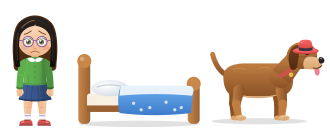
Listen as an adult reads this story once.
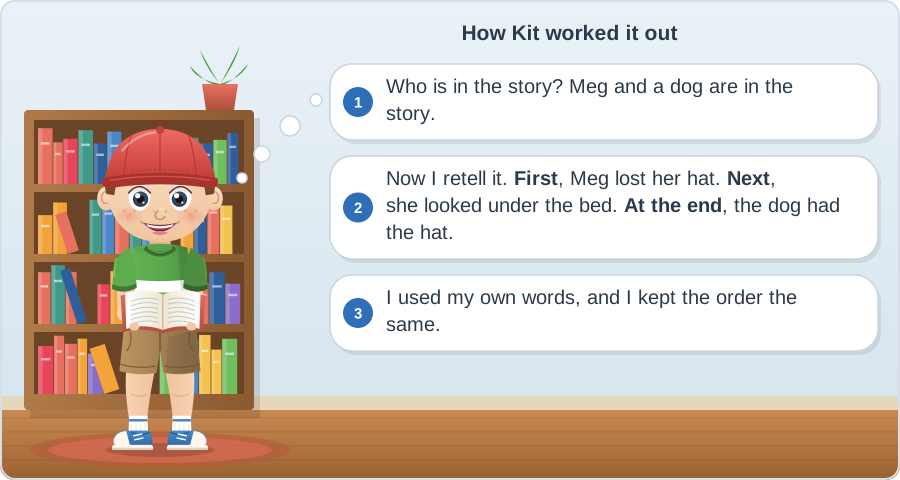
Meg lost her red hat. She looked under the bed. It was not there. Then she saw the dog. The dog had the hat on its head!
Now Try It
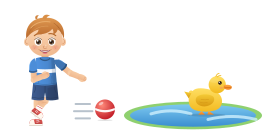
Listen as an adult reads this story once.
Sam got a red ball. He kicked it into the pond. A duck pushed it back to him.
1. Who is in the story?
Hint: Think of the boy and the animal.
2. How did the story end?
Hint: What did the duck do?
Time To Practise
Name: ______________________
Listen as an adult reads a story. Do not look at the words.
Story for the adult: Tib and the Tree
Tib the kitten ran up a big tree. Tib got stuck at the top. “Mew, mew!” said Tib. Tib was sad. Dad got a ladder. He went up, up, up. Dad got Tib and went back down. At the end, Tib had a nap on Dad’s lap.
1. Who is in the story?
Circle two pictures.

2. Put the story in order.
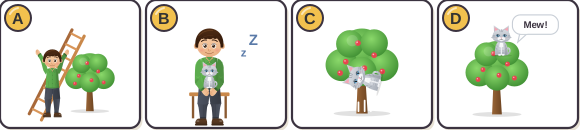
1st ____ 2nd ____ 3rd ____ 4th ____
3. Retell the story.
Use the cards in order. Say one sentence for each card to an adult.
First, ______________________. Next, ______________________.
Then, ______________________. At the end, ______________________.
Tick each box when you have done it.
☐ I said who was in the story.
☐ I told the story in order.
☐ I said how it ended.
Reflect
Think about these questions. Talk about them with someone at home or at school.
1. Go back to the Wonder question: “How can we remember a story we only hear once?” What do you think now?
2. I was a communicator today when I ______________________________.
A communicator shares ideas clearly by talking, writing or drawing. For example: I was a communicator today when I retold the story after I listened to it.
Take action: Listen to a bedtime story. Retell it to someone in your family the next day.
Next Steps
If this was easy, try: Listen to a longer picture book once. Retell it using five sentences instead of four.
If this was hard, go back to: Time To Practise. Read the Tib story in two parts. Retell the first half, then the second half, then the whole story.
Notes for Parents and Teachers
Show notes for parents and teachers
These notes cover this lesson only. How every lesson runs is explained in How to Use This Material.
Let’s Learn
Point to each listening card.
See How It’s Done
Read the short story aloud once. Then go through Kit’s thoughts.
Time To Practise
Open the story below and read it aloud once. The learner listens and does not see the words.
Answer Key
Reveal Answers
Now Try It
1. Sam and a duck
2. The duck pushed the ball back to Sam.
1. Who is in the story?
The kitten and the dad.
2. Put the story in order
1st C, 2nd D, 3rd A, 4th B
3. Retell the story
Sample answer: First, Tib ran up a tree. Next, Tib got stuck and said “Mew!” Then, Dad got a ladder and got Tib. At the end, Tib had a nap on Dad’s lap.
Look for: the four events in order, in the learner’s own words. The learner does not need to use the exact words from the story. The sentences are spoken; the writing lines are optional.
Reflect
2. Any real moment from the lesson that shows the learner was a communicator. Examples: “I was a communicator today when I retold the story after I listened to it.” “I was a communicator today when I told the story in the right order.”
Lesson 3.6: Join In: Repeating Lines
Oral | About 20 minutes
Term 1 | Level 1
Goal
“I can join in with a repeating line when someone reads a story.”
Words to know
repeating line, join in, chant
Wonder
Think about this question before you start. Say your ideas. You will come back to it at the end of the lesson.
Why do some stories say the same line again and again?
Let’s Learn
Some stories say the same line again and again. This is a repeating line.
When you hear it coming, you can join in and say it with the reader.
Use a big, clear voice. You can add actions, such as running on the spot.
See How It’s Done
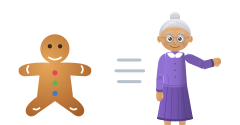
A little old woman made a gingerbread man. He jumped up and ran away. “Run, run, as fast as you can! You can’t catch me, I’m the Gingerbread Man!”

Now Try It
1. Say this repeating line together: “Little pig, little pig, let me come in!”
Hint: Listen once, then say it with an adult. Use a deep wolf voice.
2. Who says this line in the story?
Hint: Who wants to come into the pig’s house?
Time To Practise
Name: ______________________
Listen as an adult reads the story. Join in with the repeating line.
Story for the adult: The Gingerbread Man
A little old woman made a gingerbread man. He jumped up and ran away.
“Run, run, as fast as you can! You can’t catch me, I’m the Gingerbread Man!”
The old woman ran after him. The old man ran after him.
“Run, run, as fast as you can! You can’t catch me, I’m the Gingerbread Man!”
A cow ran after him too.
“Run, run, as fast as you can! You can’t catch me, I’m the Gingerbread Man!”
Then he came to a river. A fox said, “Hop on my back and I will take you across.” The Gingerbread Man hopped on. At the end, snap! The fox ate him up.

1. Circle the repeating line.
The fox swam across.
Run, run, as fast as you can!
A cow ran after him.
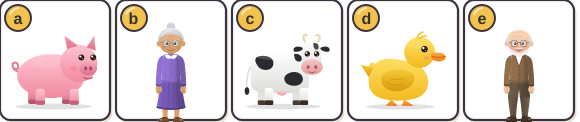
2. Who ran after the Gingerbread Man?
Circle three pictures.
3. Make your own repeating line.
This story is about a frog. Finish the frog’s repeating line.
Word bank: over the log | as fast as I can | in the pond
Hop, hop, ______________________________!
Say your line three times with a hopping action. Tick each box when you have done it.
☐ I joined in each time the line came in the story.
☐ I said my own line in a big, clear voice.
☐ I added an action.
Reflect
Think about these questions. Talk about them with someone at home or at school.
1. Go back to the Wonder question: “Why do some stories say the same line again and again?” What do you think now?
2. I was a risk-taker today when I ______________________________.
A risk-taker tries something new, even when it feels hard. For example: I was a risk-taker today when I joined in with the repeating line out loud.
Take action: Perform a story with a repeating line for your family. Ask everyone to join in.
Next Steps
If this was easy, try: Read another story with a repeating line, such as We’re Going on a Bear Hunt. Lead the family in saying the line together.
If this was hard, go back to: See How It’s Done. Say the repeating line with an adult five times before hearing the story. Then join in only on the last word, “Man!”
Notes for Parents and Teachers
Show notes for parents and teachers
These notes cover this lesson only. How every lesson runs is explained in How to Use This Material.
Let’s Learn
Say the line in the bubble with a lively voice.
See How It’s Done
Read the opening of the story aloud. Then go through Aisha’s thoughts.
Time To Practise
Open the story below and read it aloud. Pause before each repeating line so the learner can join in.
Answer Key
Reveal Answers
Now Try It
1. The learner says the line with the adult.
2. The wolf
1. Circle the repeating line
Run, run, as fast as you can!
Look for: the learner can say why. The line comes three times in the story.
2. Who ran after the Gingerbread Man?
b (the old woman), c (the cow) and e (the old man)
3. Make your own repeating line
Sample answer: Hop, hop, over the log!
Look for: any phrase from the word bank, or the learner’s own idea. The learner says the line the same way each time.
Reflect
2. Any real moment from the lesson that shows the learner was a risk-taker. Examples: “I was a risk-taker today when I joined in with the repeating line out loud.” “I was a risk-taker today when I said the lines even though I was not sure of them.”
For Teachers: IB Details
Show IB and curriculum details
IB theme: How we express ourselves. This theme is about how we find and share ideas, feelings and beliefs: through imagination and creativity, the different ways we communicate, and how other people respond.
Central idea: People use stories and rhymes to share ideas, feelings and imagination.
| Lesson | Title | Strand | Key concept |
|---|---|---|---|
| 3.5 | Listen and Retell | Listening and speaking | Connection |
| 3.6 | Join In: Repeating Lines | Listening and speaking | Form |
Each lesson also matches the national curriculum for England (Year 1) and the US Common Core (Grade 1). The Grade 1 Curriculum Map lists the full standards for every lesson.
← Back to Lesson 3 – Stories and Rhymes | Lessons – Index
© 2026 Firefly Ed. All rights reserved. This page may be printed for personal, home and classroom use. It may not be sold, shared online or reproduced for commercial use without written permission. edfirefly.com


Share your thoughts or ask something..