
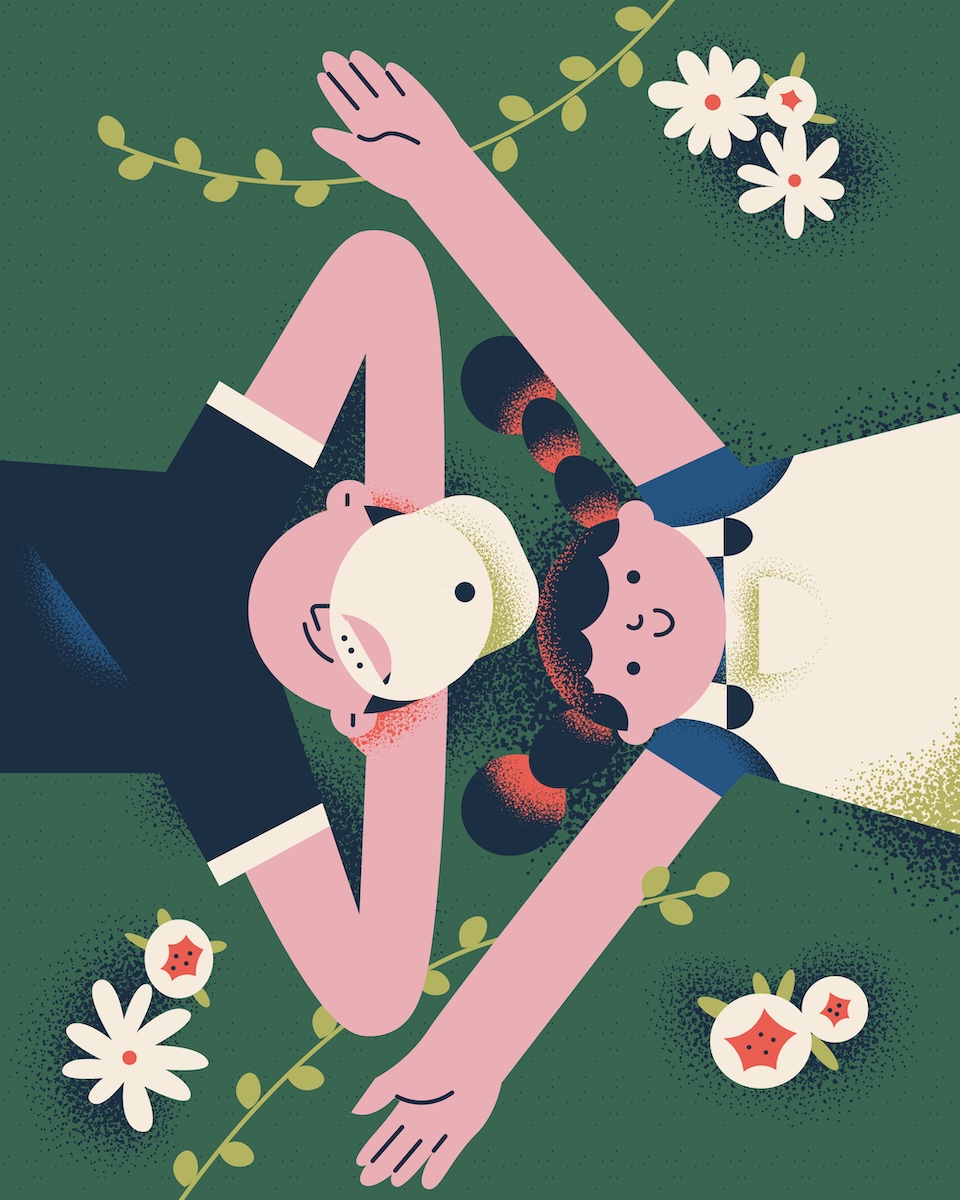
Building Children’s Wellbeing — Habits That Make a Difference
- Children’s wellbeing is not a fixed state — it is something children can build through consistent small habits
- Sleep and movement are directly linked to mood and emotional regulation
- The way a child talks to themselves shapes how they respond to difficulty
- Belonging and connection are among the most reliable predictors of childhood wellbeing
- Small shifts, sustained over time, make a real difference
Children’s wellbeing is not a fixed state. It is something children can build, one small habit at a time.
Research consistently links body care and connection with others to emotional wellbeing in children. How a child relates to their own thoughts plays an equally significant role.
Body Habits Lay the Groundwork
Sleep and movement are directly linked to mood and emotional regulation. During sleep, the brain processes the day, consolidates memory, and resets. Physical activity releases endorphins, the brain’s natural mood-lifters.
Food with protein and variety keeps energy and concentration steadier throughout the day.
A well-rested, active child is better equipped to handle the ordinary difficulties of daily life.
Mind Habits Build Resilience
The way a child talks to themselves shapes how they respond to difficulty.
Children who practise noticing small good things gradually shift their default perspective. Those who learn that mistakes are part of the process are more willing to try again.
Having simple strategies for when feelings build up — deep breaths or a short break — gives children a sense of agency over their own emotional state.
These are learnable skills, not personality traits.
Connection Habits Create Security
Belonging is one of the most reliable predictors of childhood wellbeing. When children feel seen and valued by the people around them, they are more emotionally regulated and more willing to take on challenges.
Regular shared time and the consistent presence of a trusted adult give children the internal security to navigate the world with greater ease.
A consistent bedtime or a daily check-in are small shifts that, sustained over time, make a real difference.
What This Looks Like at Each Age
Children need the same foundations at every stage. How those foundations are built looks quite different depending on where a child is developmentally.
Ages 3–6
At this age, habits are formed through routine and repetition. Consistent bedtimes, regular mealtimes, and simple physical play are the most effective tools available. Emotional vocabulary — learning to name feelings — begins here, and it starts with the adults around them modelling it.
Ages 7–10
Children at this stage begin to develop a clearer sense of self. They can start to notice their own thinking patterns, practise simple breathing techniques, and take more ownership of small daily habits. Friendships become increasingly important, and the ability to navigate social situations with guidance starts to take shape.
Ages 11–14
Peer relationships take on greater weight, and the pressure to perform — socially and academically — increases. Mind habits become especially important here. Adolescents benefit from having language for what they feel, space to talk without immediate problem-solving, and adults who remain consistent and available even when they seem to push back.
Firefly Ed offers private academic classes for children aged 3–14, focused on building the confidence and habits that make learning feel possible. More at edfirefly.com.
Research Sources
Sleep, Movement, and Children’s Cognitive Development
Hillman, C.H., et al. (2008). Be Smart, Exercise Your Heart. Nature Reviews Neuroscience, 9.
Gruber, R., et al. (2012). Sleep and Academic Success. Sleep Medicine, 13(10).
Connection, Belonging, and Children’s Wellbeing
Baumeister, R.F. & Leary, M.R. (1995). The Need to Belong. Psychological Bulletin, 117(3).
Emotional Coaching and Resilience
Gottman, J.M., Katz, L.F. & Hooven, C. (1996). Parental Meta-Emotion Philosophy and the Emotional Life of Families. Journal of Family Psychology, 10(3).


Share your thoughts or ask something..